
 Call Us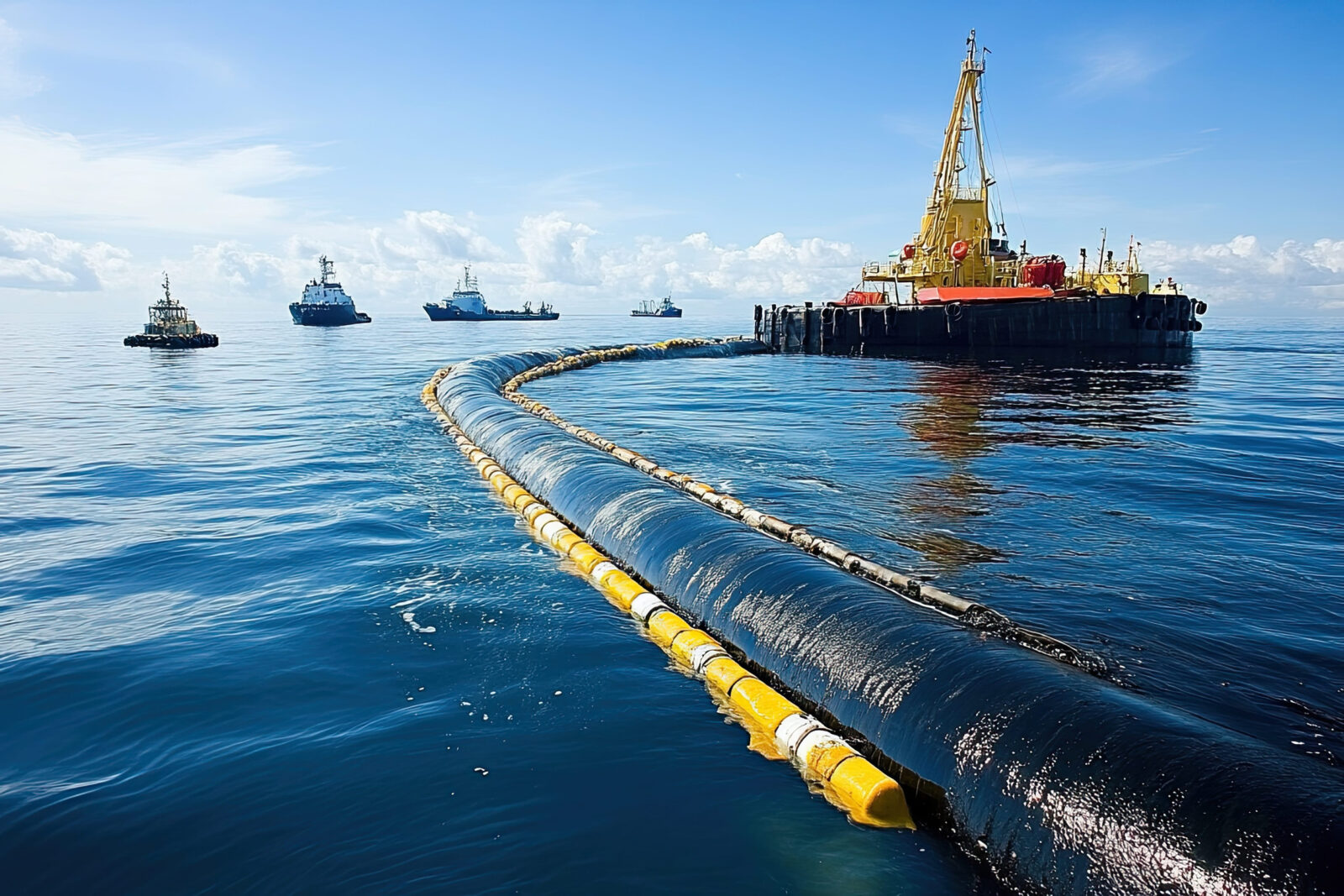
Sustainable marine construction in San Diego protects shorelines while preserving marine ecosystems. Eco-friendly materials and advanced engineering help reduce erosion and prevent habitat damage. These practices ensure a resilient coastline and support long-term environmental health and compliance in Southern California.
What Defines Sustainable Marine Construction in San Diego?
Sustainable marine construction in San Diego focuses on building waterfront infrastructure that protects ecological health. This involves utilizing non-toxic materials, restoring habitats like wetlands, and minimizing underwater noise. The objective is to balance human needs with the preservation of the Pacific Ocean’s biodiversity.
The Lifecycle of Eco-Friendly Projects
Marine sustainability covers a project’s full lifecycle, from material sourcing to long-term water flow impacts. By using science-based methods, contractors can build structures like piers and sea walls that protect local fish, sand quality, and seafloor vegetation, ultimately benefiting the environment.
Shifting from Traditional to Modern Methods
Modern technology is transforming construction by using non-leaching materials and quieter machinery to protect marine life. In San Diego, these innovations are vital for preserving our essential ocean and beach ecosystems for the future.
Why Is Coastal Restoration Vital for San Diego?
Coastal restoration protects against storm surges and rising tides by using lagoons and marshes as flood buffers. These projects maintain the food chain by providing vital nesting grounds for birds and nurseries for fish.
Natural Defense Against Erosion
San Diego’s coastline faces constant erosion from weather and waves. Restoration projects counter this by replenishing sand and planting native grasses to stabilize the soil. These efforts strengthen the shoreline, enabling it to withstand the Pacific Ocean’s winter power.
Improving Local Water Quality
Restored lagoons and wetlands filter urban runoff, catching debris before it reaches the ocean. This process maintains water quality, ensuring San Diego’s swimming areas remain safe for people and wildlife. Without these natural filters, the environment would rapidly deteriorate.
How Do Modern Materials Improve Shoreline Longevity?
High-grade, corrosion-resistant materials significantly outlast traditional methods. Modern composites and specialized concrete offer sustainable alternatives to toxic treated wood, reducing both repair frequency and seabed disruption.
Benefits of Composite and Polymer Materials
- Reduced Chemical Leaking: Modern materials do not release harmful toxins into the San Diego Bay or the Pacific Ocean.
- Corrosion Resistance: Using fiber reinforced polymers prevents rust and rot, which is common in salty coastal air.
- Lower Maintenance Needs: Structures built with these materials require fewer repairs over their fifty year lifespan.
- Recyclability: Many modern marine components can be recycled at the end of their use, reducing landfill waste.
The Long Term Financial Value
Long-lasting structures enhance sustainability by reducing resource consumption and long-term costs. While premium, durable materials require higher initial investments, they prove economical by resisting harsh coastal conditions for decades.
What Are the Most Common Green Building Techniques?
Marine green building uses living shorelines and low-impact equipment to protect water quality. By combining rock, sand, and native plants instead of hard concrete, contractors create natural stabilization. This allows shorelines to adapt over time while maintaining property protection.
Implementing Living Shorelines
Living shorelines use biological materials like marsh grasses and oyster reefs to mitigate erosion. Unlike wave-reflecting bulkheads, they absorb energy to prevent sandy bottom scouring while establishing vital habitats for small fish and crabs.
Reducing Silt and Sediment Runoff
Marine contractors prioritize water clarity by using turbidity curtains to contain sediment and debris. This protects essential kelp and seagrass habitats from turbidity. Consequently, local communities can continue enjoying the water while construction projects remain active nearby.
How Does Construction Protect the Local Economy?
San Diego’s economy, driven by tourism and fishing, relies on its waterfront. Sustainable construction supports these industries by preserving clean water and healthy beaches. Without these protections, pollution and erosion threaten the city’s primary appeal for residents and visitors.
Strengthening the Tourism Sector
San Diego’s multi-billion dollar tourism industry depends on pristine beaches and wildlife. Improperly constructed marine infrastructure can degrade these assets. By adopting sustainable construction, coastal businesses protect clean water and wide beaches, ensuring a high-quality environment for visitors.
Supporting Commercial Fishing and Jobs
The fishing industry relies on a healthy ocean, as many local fish begin their lives in shallow coastal waters. Protecting these nurseries during construction sustains the food supply and maritime jobs. Sustainable building practices benefit both the environment and the local economy.
What Are the Challenges of Building in the Ocean?
Marine construction exceeds land-based difficulty due to tides, salt, and wave forces reaching thousands of pounds. In San Diego, engineers must also design for seismic activity and shifting underwater terrain.
Engineering for Tidal Fluctuations
Harsh saltwater environments require specialized marine equipment and corrosion-resistant materials. Coastal projects also depend on strict tidal schedules, often requiring work during low tide late at night.
Managing Marine Weather Hazards
Weather is vital, as storms and large waves endanger crews on vessels. Contractors must monitor reports to protect personnel and materials. Constructing structures resilient enough for the Pacific Ocean demands exceptional skill.
How Does Underwater Noise Affect Marine Life?
Ocean noise pollution from driving large poles disrupts marine life, confusing whales and dolphins that rely on sound for communication. Sustainable marine construction addresses this by employing quieter technologies to mitigate underwater noise.
The Use of Bubble Curtains
Bubble curtains use seafloor pipes to release air, creating a bubble wall around work sites. This simple, effective technique muffles noise, containing sound within the construction zone to protect nearby marine life.
Vibratory vs Impact Hammers
Contractors also employ vibratory hammers to drive poles via high-speed shaking rather than heavy impacts. This quieter, less stressful method protects San Diego’s marine life, allowing for necessary construction while minimizing acoustic disturbance to the ecosystem.
Why Is Permitting So Strict in Southern California?
Obtaining marine construction permits is a lengthy process due to strict regulations designed to protect public beaches and the environment. Agencies like the California Coastal Commission meticulously review every project detail before granting approval.
Coastal Commission Compliance
- Public Access: Projects must not block the public’s right to access the beach or water.
- Habitat Protection: Builders must prove that their work will not destroy protected eelgrass or kelp.
- Visual Impact: New structures must blend in with the natural beauty of the San Diego coastline.
- Water Safety: Strict monitoring is required to ensure no oil or debris enters the ocean during work.
Adhering to the Clean Water Act
Evaluations confirm that projects do not obstruct ocean views or occupy public beach space. Environmental impact reports must also detail water protection plans. Although permitting is lengthy, it guarantees that San Diego developments maintain superior quality and safety standards.
How Does Construction Help with Rising Sea Levels?
Sea levels are rising slowly, and this means our old docks and sea walls might not be high enough in the future. Sustainable marine construction takes this into account by building things that can be adjusted or that are already tall enough for future needs. This is called building for resilience.
Adaptive Dock Engineering
Modern floating docks adapt to rising sea levels by moving with the water, ensuring long-term utility. Similarly, sea walls can be designed for future height extensions if needed.
Future Proofing Public Infrastructure
Investing in proactive sustainability is more cost-effective than future flood remediation. By adopting these practices, San Diego demonstrates forward-thinking stewardship for future generations who will inhabit and work along the coastline.
Selecting a Specialized Marine Contractor
Marine construction requires specialized equipment, diving teams, and local environmental expertise. Partnering with a specialist ensures project success and sustainability.
Critical Marine Expertise
- Environmental Knowledge: Specialized teams know how to spot and protect local endangered species.
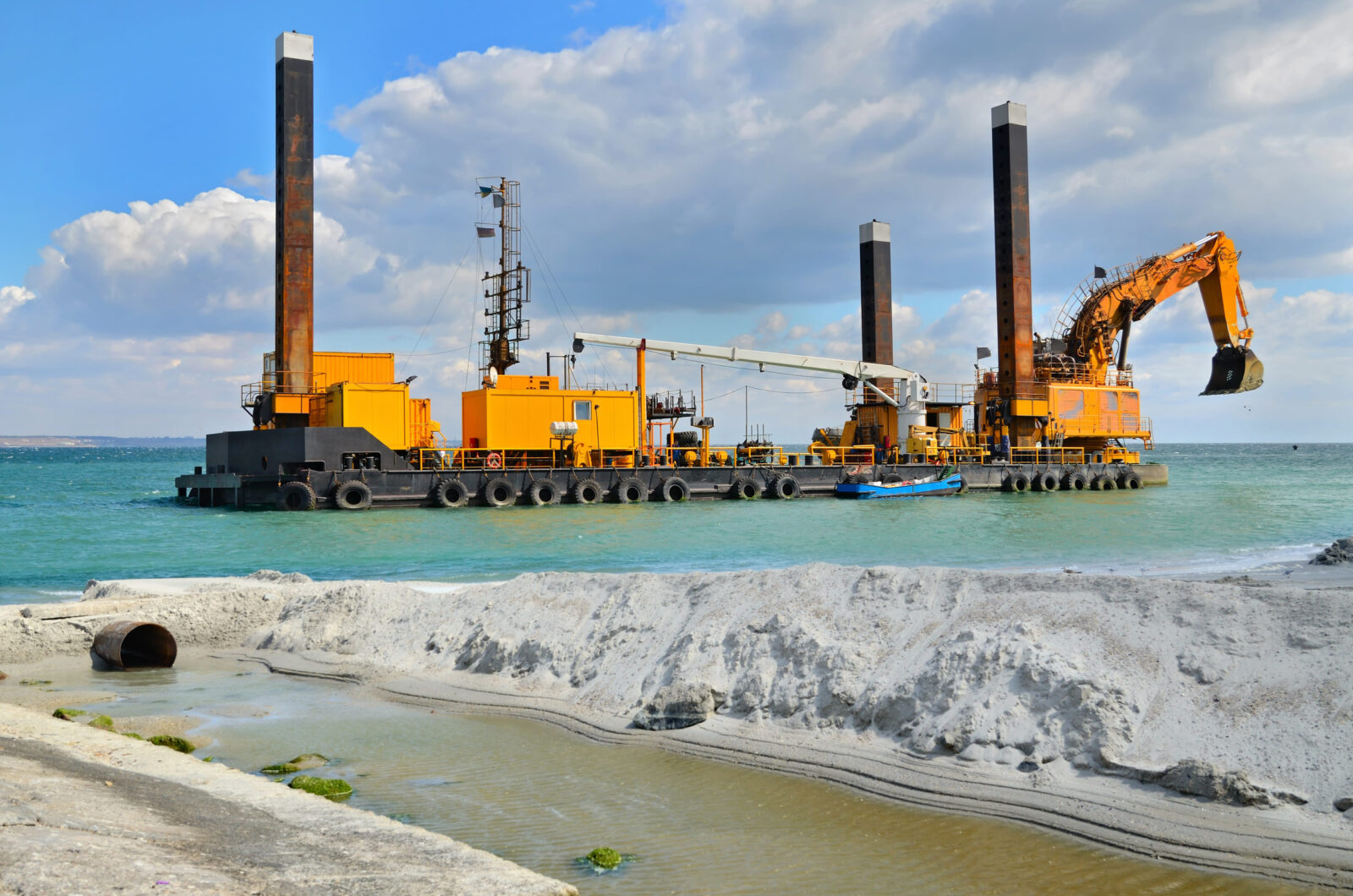
- Specialized Fleet: Success requires barges and cranes designed to operate in high surf and deep water.
- Diving Capabilities: Many marine projects require certified commercial divers to inspect work beneath the surface.
The Value of Local Experience
Experienced teams excel at crisis management. During severe storms, they know exactly how to secure sites and equipment. Having encountered various challenges, these experts ensure safety and progress, making veteran experience a company’s most vital asset in marine construction.
FAQ
Why is sustainable construction more expensive at the start?
Initial costs are higher due to eco-friendly materials and environmental protection steps like sediment monitoring. However, these expenses are offset by longer structure lifespans and the avoidance of local environmental fines.
How long does a coastal restoration project take?
Large projects can take several years from the planning stage to completion. This timeline includes environmental studies, permitting, and the actual construction phases to ensure every ecological goal is met without harming the current habitat.
Can I use sustainable methods for a private boat dock?
Yes, private owners can use composite decking, bird friendly lighting, and non leaching piles. These choices help protect the water around your property and often make the permitting process smoother with local authorities in San Diego.
What is a turbidity curtain used for?
It is a floating barrier used to contain mud and silt within a construction area. This prevents the debris from clouding the water in other parts of the ocean, which protects the sunlight needed by underwater plants to grow.
Future-Proof Your Waterfront
Sustainable marine construction protects both coastal development and fragile ecosystems. Using eco-friendly materials and modern engineering helps safeguard property while supporting long-term environmental health. Act now to ensure a stronger, more resilient waterfront for the future.
Marathon Construction Corporation provides expert marine construction services in San Diego that prioritize both durability and environmental stewardship. Get in touch with us to discuss your next coastal project.

 Address
 Email Us
 Contact