
 Call Us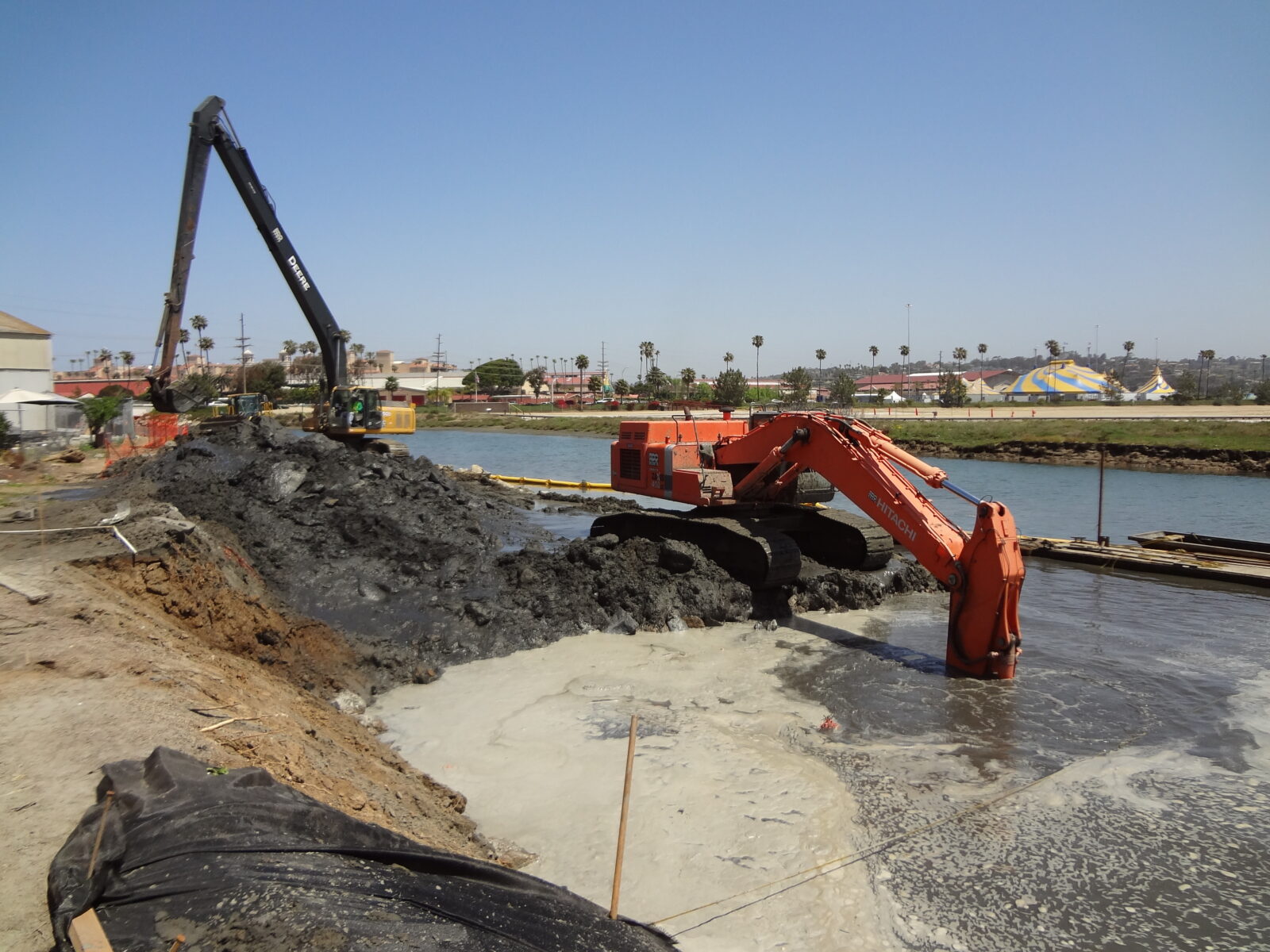
Dredging is essential for managing marinas, waterways, and waterfronts, as it removes sediment and debris to ensure safe navigation and improve water quality. However, it’s a complex and regulated process that can be costly. Partnering with the wrong contractor can result in fines, delays, and excessive expenses. Therefore, finding a contractor familiar with your local environment is crucial for success.
Understand the Specific Needs of Your Waterway
Every body of water has a unique personality. Before you start looking for a contractor, you must have a firm grasp of what your project entails. Is the material you are removing soft silt, or is it compacted clay and rock? Is the area environmentally sensitive, or is it an industrial zone with potential contaminants? Where is the removed material being disposed of? Does the material have potential contaminants?
A reputable contractor will begin by asking these same questions. They should be interested in the bathymetric surveys and sediment samples of your site. The “right” contractor treats your project as a unique puzzle rather than a one-size-fits-all task. They should be able to explain which dredging method best suits your specific conditions and why.
Specialized Equipment and Modern Technology
Dredging is not just about moving dirt underwater; it is about precision. When vetting a company, examine its fleet closely. A contractor with a “one-boat-fits-all” mentality might struggle when faced with tight corners in a marina or the vast open waters of a shipping channel.
Modern dredging relies heavily on GPS and sonar technology to ensure that the floor of the waterway is leveled accurately. Without high-tech monitoring, a contractor might miss spots or, conversely, over-dredge, which wastes time and money. Ask potential partners about their equipment maintenance schedules and the age of their technology. Reliability in the field prevents mechanical breakdowns that can stall your project for weeks.
Navigating the Regulatory Landscape
Perhaps the most daunting part of any dredging project is the paperwork. Dealing with the U.S. Army Corps of Engineers, local environmental protection agencies, and coastal commissions requires a specific kind of expertise. A great contractor acts as a consultant through this maze.
Compliance and Environmental Safety
Environmental stewardship is no longer optional; it is a legal requirement. The contractor you choose must have a proven track record of following strict environmental protocols. This includes managing “turbidity”, the cloudiness of the water caused by stirred-up sediment,which can harm local aquatic life. They should have a plan for the safe transport and disposal of dredged material, especially if that material contains toxins or pollutants. A contractor who cuts corners on environmental safety puts the project at risk.
Insurance and Bonding
Never overlook the boring details. Dredging involves heavy machinery in unpredictable aquatic environments. Ensure that any contractor you hire is fully insured and bonded. This protects you from liability in the event of an accident or if the contractor fails to complete the work according to the contract. Verifying these credentials upfront saves a lot of headaches later.
Ready to restore your waterway’s depth and safety? Get in touch with Marathon Construction Corporation today for expert dredging solutions tailored to your project. Let’s build a cleaner, more navigable future together. Contact us today!

 Address
 Email Us
 Contact