
 Call Us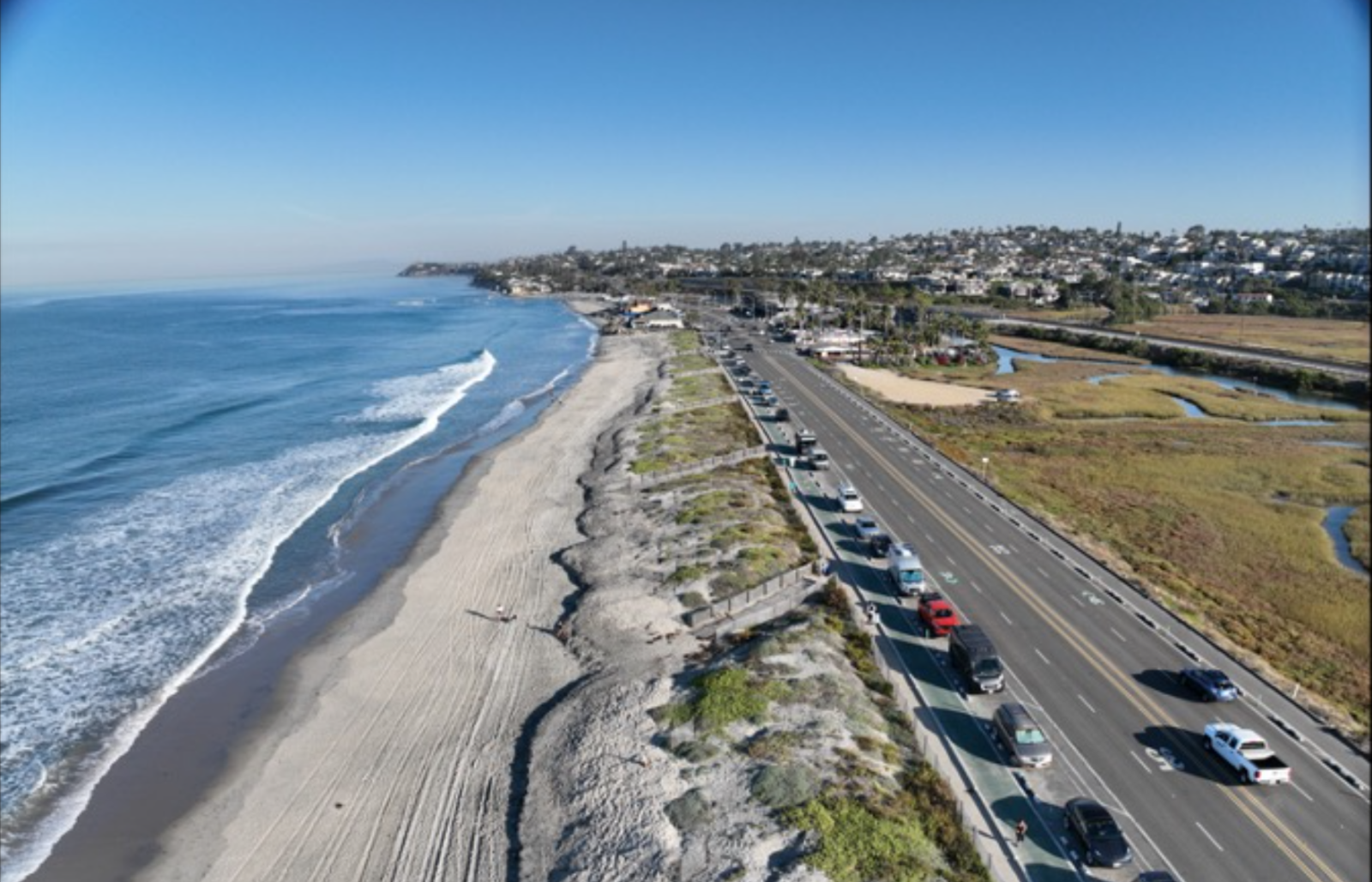
For over 55 years, Marathon Construction Corporation has stood at the edge of the Pacific, building the wharves, piers, and seawalls that define the California coastline. We have seen the tides change—literally and figuratively. Today, however, the industry is facing a more profound shift than the daily ebb and flow. Accelerating climate change, sea-level rise (SLR), and intensifying storm surges are not just altering the designs of the infrastructure we build; they are fundamentally rewriting the means and methods we must use to build them.
As general engineering and marine contractors, we are no longer just “holding the line” against the ocean. We are engaging in a complex dance with a rising sea, implementing adaptive designs, and utilizing specialized construction techniques to deliver projects that can withstand the next century of coastal change
The New Design Paradigm: From “Gray” to “Green” and Hybrid
Historically, coastal protection in California relied heavily on “gray infrastructure,” massive concrete seawalls, riprap revetments, and steel sheet piles designed to block wave energy. While these structures remain vital for protecting critical assets like the naval bases and ports, we frequently service the regulatory and design trend is moving aggressively toward nature-based solutions and hybrid infrastructure.
Federal, State, and local agencies are increasingly prioritizing more nature-based solutions. These designs mimic natural processes to reduce erosion while providing habitat. For a marine contractor, this changes the scope of work significantly.
- Living Shorelines & Cobble Berms: Instead of simply stacking multi-ton armor stone, we are now often tasked with constructing engineered dunes, placing cobble berms, and installing reef elements. This requires a different kind of precision. It involves low-impact grading to preserve existing ecosystems and placing varied material sizes that can shift and “self-heal” during storms, rather than remaining static.
- Hybrid Approaches: We are seeing more designs that bury hard infrastructure beneath soft landscaping. For example, a buried revetment (the “last line of defense”) covered by a vegetated dune. This requires contractors to be proficient in both heavy civil earthwork and delicate habitat restoration—a dual capability that Marathon has cultivated through our environmental mitigation projects.
- Adaptive Elevation: Piers and wharves are being designed at higher elevations to account for projected SLR (often 3 to 6 feet by 2100). This impacts pile driving depths, fendering system designs, and the logistics of tying into existing, lower-elevation landside infrastructure.
Evolving Means and Methods in a Wetter World
Climate change does not just change what we build; it complicates how we build it. The “means and methods,” the contractor’s strategy for executing the work, must now account for higher water tables, more frequent “king tides,” and stricter environmental windows.
1. Specialized Equipment
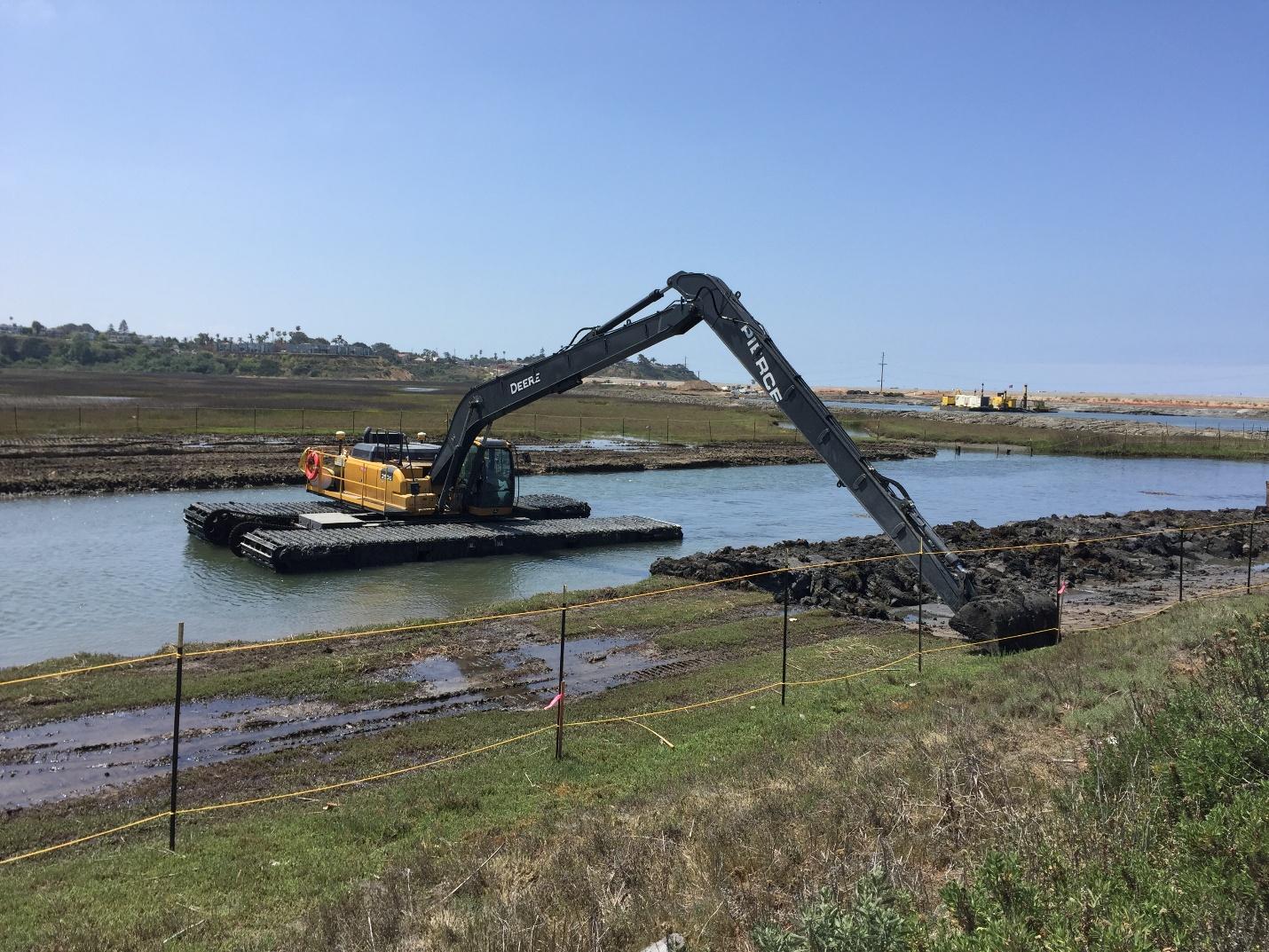
As environments become more difficult to work in and regulatory requirements continue to increase, utilization of specialized equipment becomes increasingly critical to successfully completing these projects. From using GPS enabled low-ground-pressure earth moving equipment, to floating excavators, to the latest in biodegradable lubricants and fluids, marine contractors must stay current with equipment advancements to remain competitive.
2. Water Control
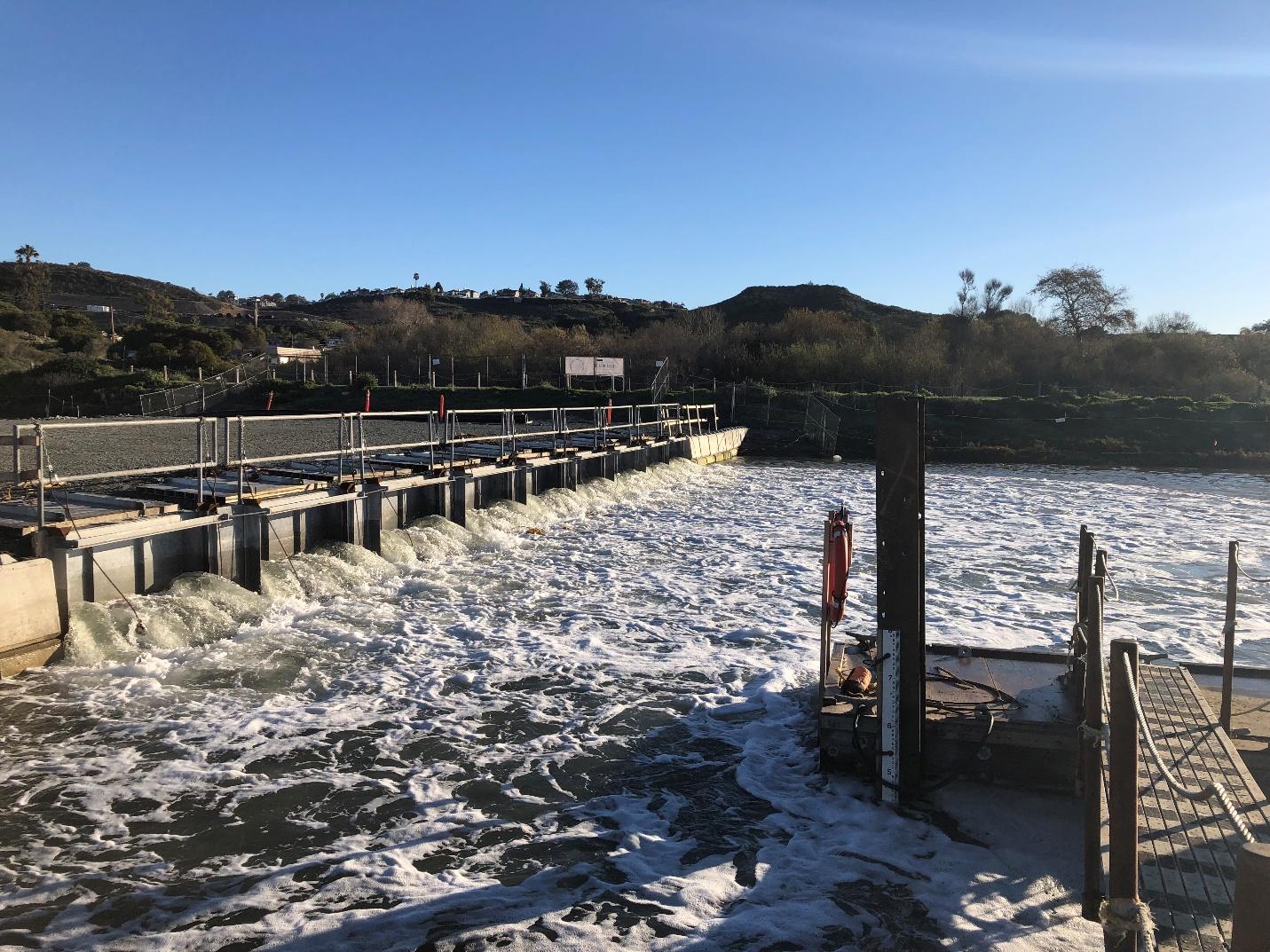
Working in the marine environment has always required battling water, but the battle is intensifying. Higher tides mean shorter working windows for intertidal construction. Eroded beaches mean less work area at low tides and shorter work windows. Season fluctuations in sand levels no longer align with historical patterns. Marine contractors must have a solid understanding of the highly dynamic environment they are working in and plan their work around the environment.
3. Material Durability and Handling
Construction means and methods now involve advanced materials designed for this harsh future. This includes:
- Marine-grade Concrete: Using mixes with high fly ash or slag content to reduce permeability and resist chloride intrusion. Curing these mixes in a marine environment requires strict temperature and moisture control.
- Composite Materials: The increasing use of Fiber Reinforced Polymer (FRP) pilings and fendering systems, which require different handling and driving techniques compared to traditional timber or steel.
- Coatings: Specialized, or durable coatings built to better withstand the harsh marine environment can require special handling and repair procedures.
Navigating the Environmental Critical Path
The biggest change in means and methods is the integration of environmental stewardship into the daily construction schedule. Climate change has stressed local marine populations, making regulatory agencies even more protective of remaining habitats.
Projects now come with rigorous “environmental windows”—narrow timeframes when construction is permitted to avoid nesting birds or fish migration. Today, a marine contractor must be an expert in scheduling. We must mobilize quickly, execute with precision during the open window, and demobilize before the tide—or the terns—return.
This often involves:
- Sound Attenuation: Using bubble curtains during pile driving to protect marine mammals from hydroacoustic impacts.
- Turbidity Control: deploying heavy-duty silt curtains that can withstand stronger currents caused by changing tidal fluxes.
- Restricted Work Windows: Times of year when work is not allowed due to species nesting behaviors.
- Work sequencing: Sequencing specific activities to accommodate environmental restrictions instead of sequencing work in the most cost-effective manner.
Building for the Future
The “changing designs” of California’s coast are not just lines on a blueprint; they are a call to action for the construction industry. The projects of tomorrow—whether they are raising the seawall at a naval base or restoring a wetland in San Diego Bay—require a contractor who understands the science of the ocean as well as the mechanics of construction.
At Marathon Construction Corporation, we are embracing these changes. By investing in the right equipment, training our crews in modern environmental best practices, and collaborating with engineers on constructability, we are ready to build the resilient infrastructure California needs to weather the storm.
Need a partner for your next marine or heavy civil project? Contact Marathon Construction Corporation to discuss how we can bring best-value solutions to your coastal infrastructure challenges.

 Address
 Email Us
 Contact